The Center of Awareness
Global Peace Mission


|
Listen to this article
Getting your Trinity Audio player ready...
|
As the world races to build smarter machines, Ghanaian peace advocate and independent researcher, Professor Samuel Ato Duncan has warned of an impending global catastrophe if humanity ignores the need to explore the Real Intelligence embedded within the soul of man.
The world is caught in an Artificial Intelligence frenzy. From Silicon Valley to Beijing, London to Accra, governments, technology companies and researchers are racing to build machines capable of thinking, learning, creating and making decisions with unprecedented speed. But while the world celebrates the extraordinary possibilities of AI, a parallel conversation is gaining momentum. What happens when humanity develops machines faster than it develops itself?
It is a question that has attracted warnings from some of the biggest names in technology and science. AI pioneer Geoffrey Hinton has spoken publicly about the potential risks of increasingly capable AI, while thousands of technology experts and researchers have called for greater caution in the development of advanced systems.
Geoffrey Hinton, left Google in 2023 and publicly warned about the potential dangers of increasingly capable AI systems. That same year, hundreds of leading AI researchers and technology executives, including OpenAI CEO Sam Altman, Google DeepMind CEO Demis Hassabis, Hinton and Bengio, endorsed a statement from the Center for AI Safety warning that mitigating the risk of extinction from AI should be treated as a global priority alongside other large-scale threats such as pandemics and nuclear war.
In September 2026, Jacob Coxon an AI researcher with OpenAI and Anthropic publicly resigned while warning that top labs are rushing towards self-improving superintelligence and ‘’gambling with our lives.’’
In Ghana, Professor Samuel Ato Duncan is taking the debate in a markedly different direction. Rather than asking only how intelligent machines can become, Prof. Duncan wants the world to confront what he considers the more fundamental question of human intelligence.
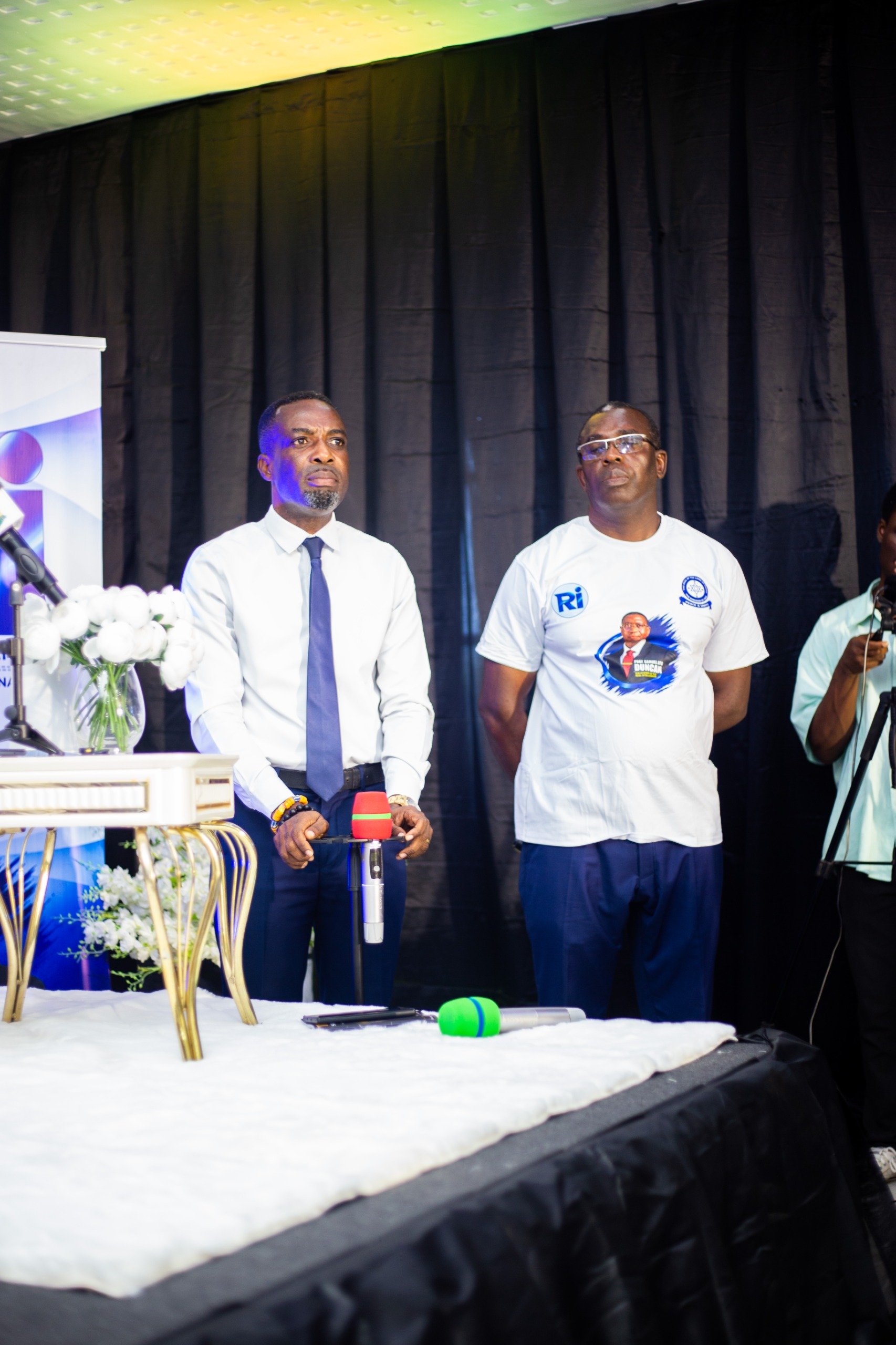
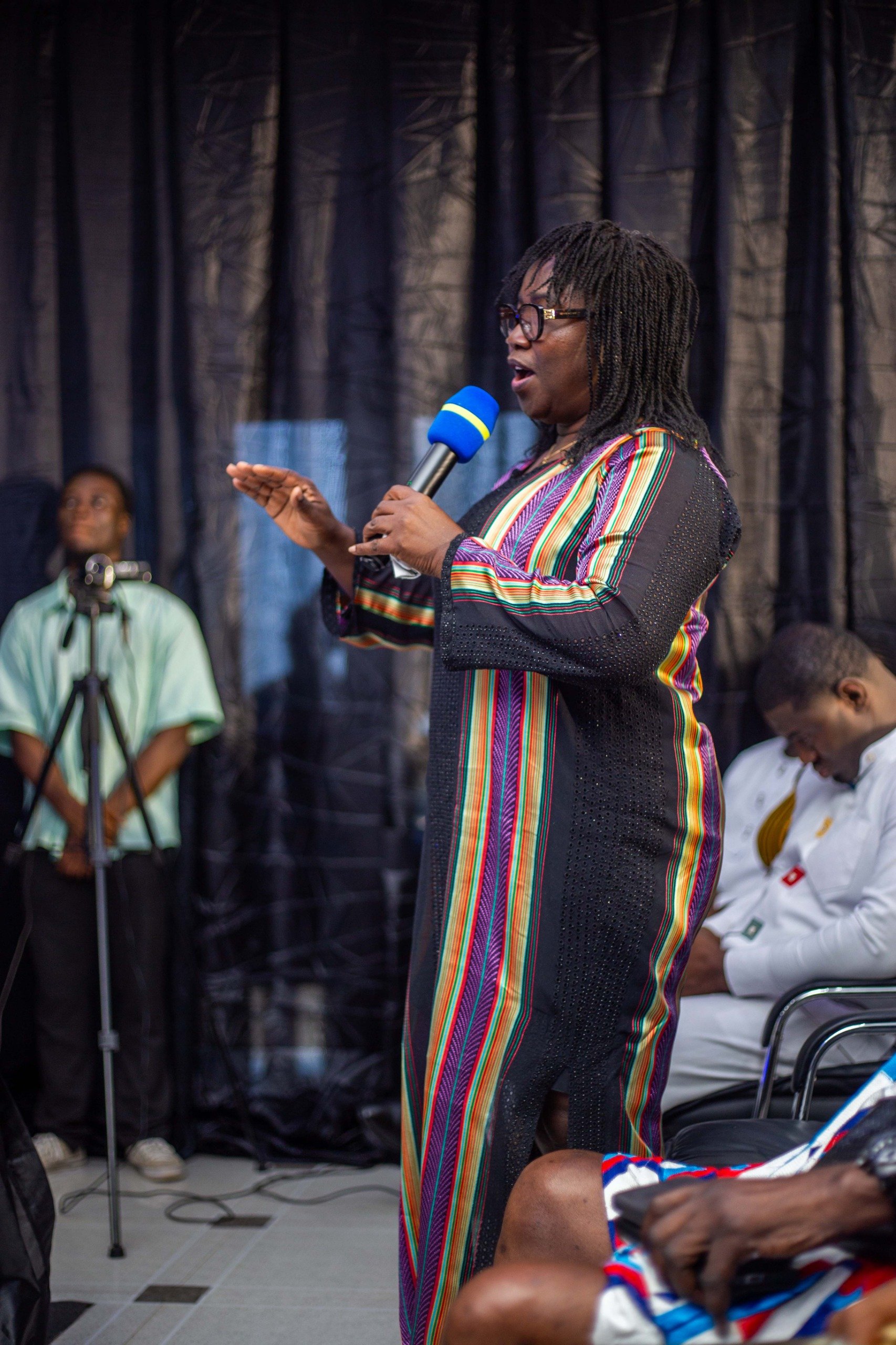
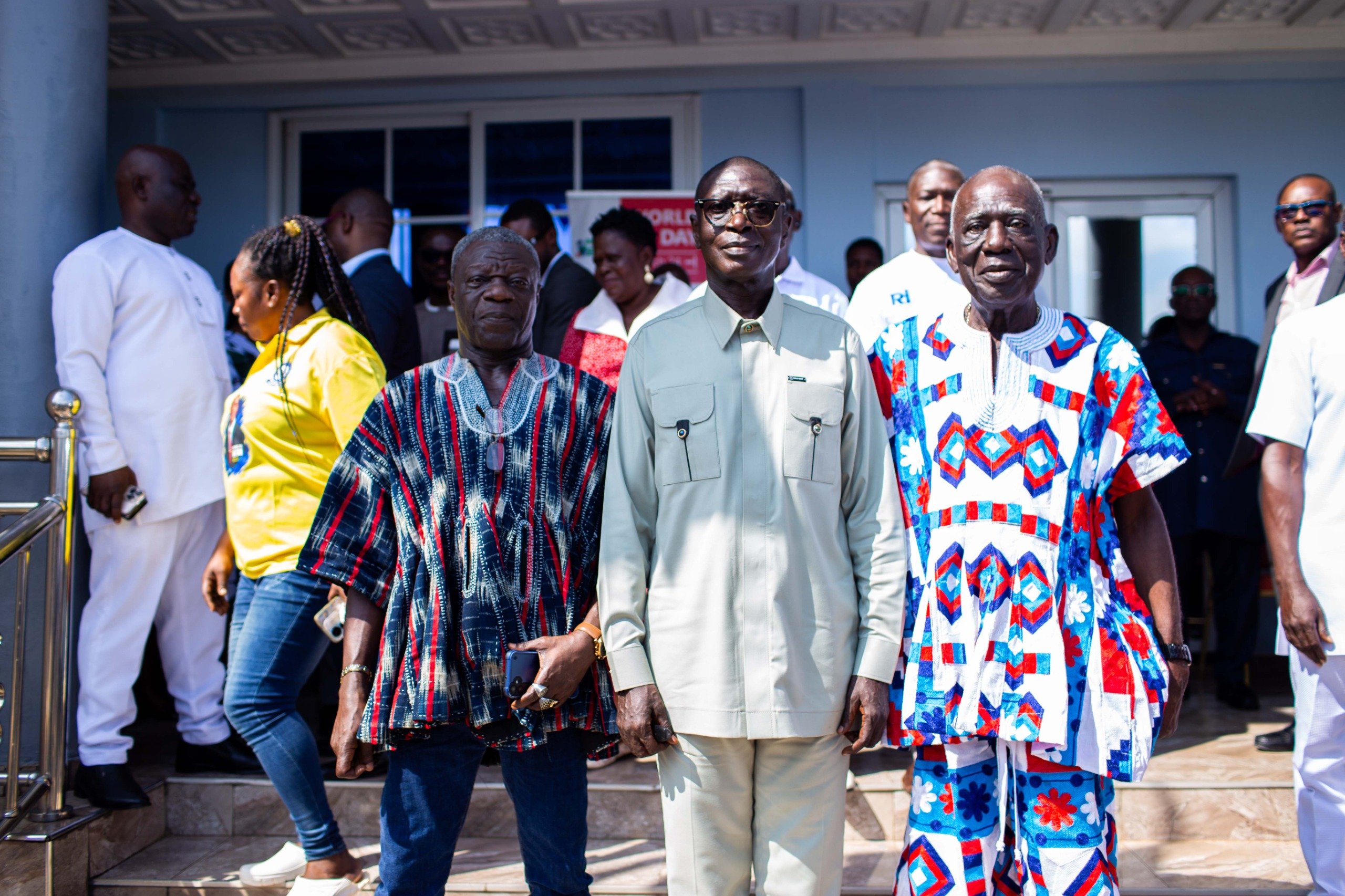
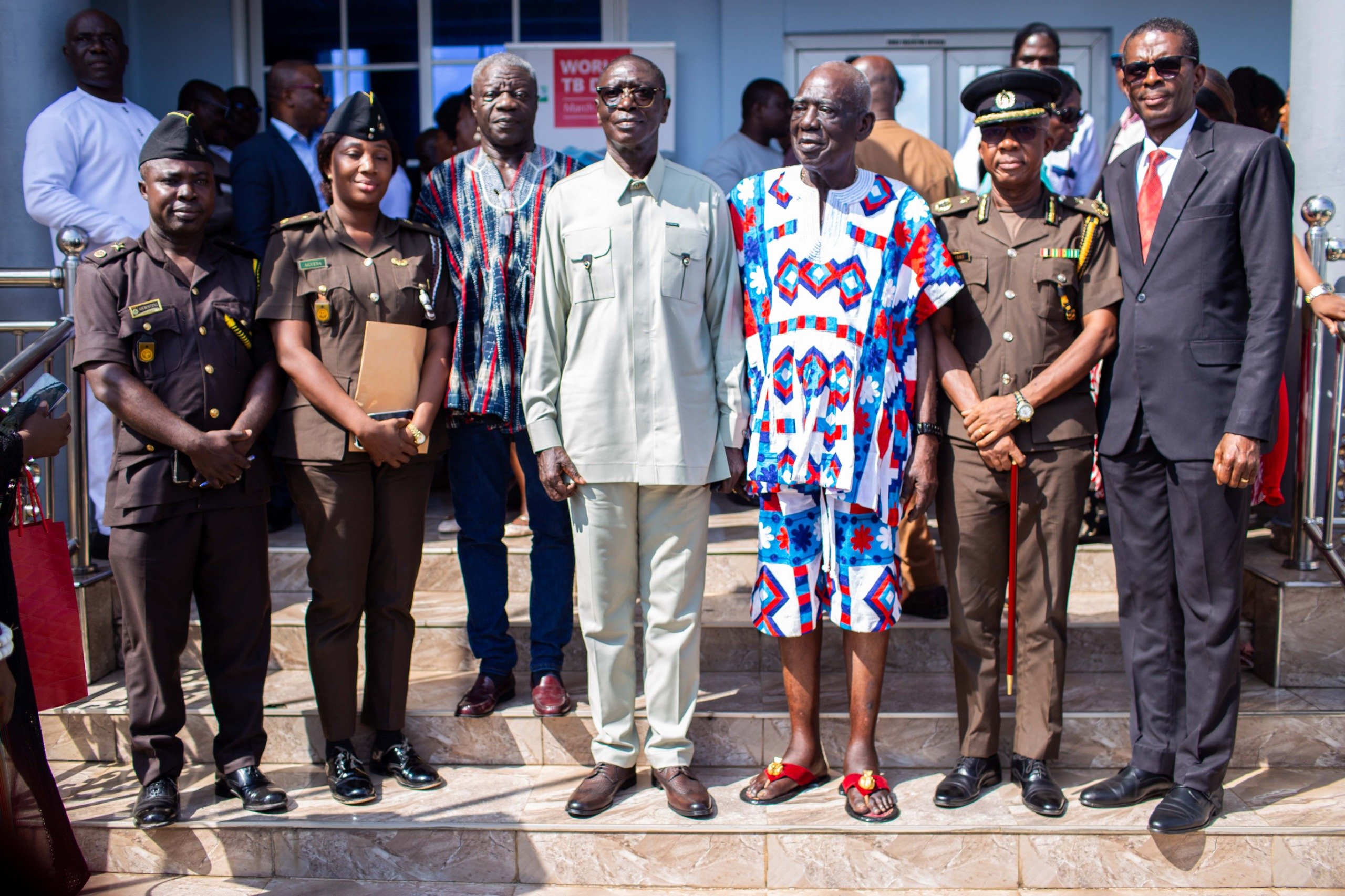
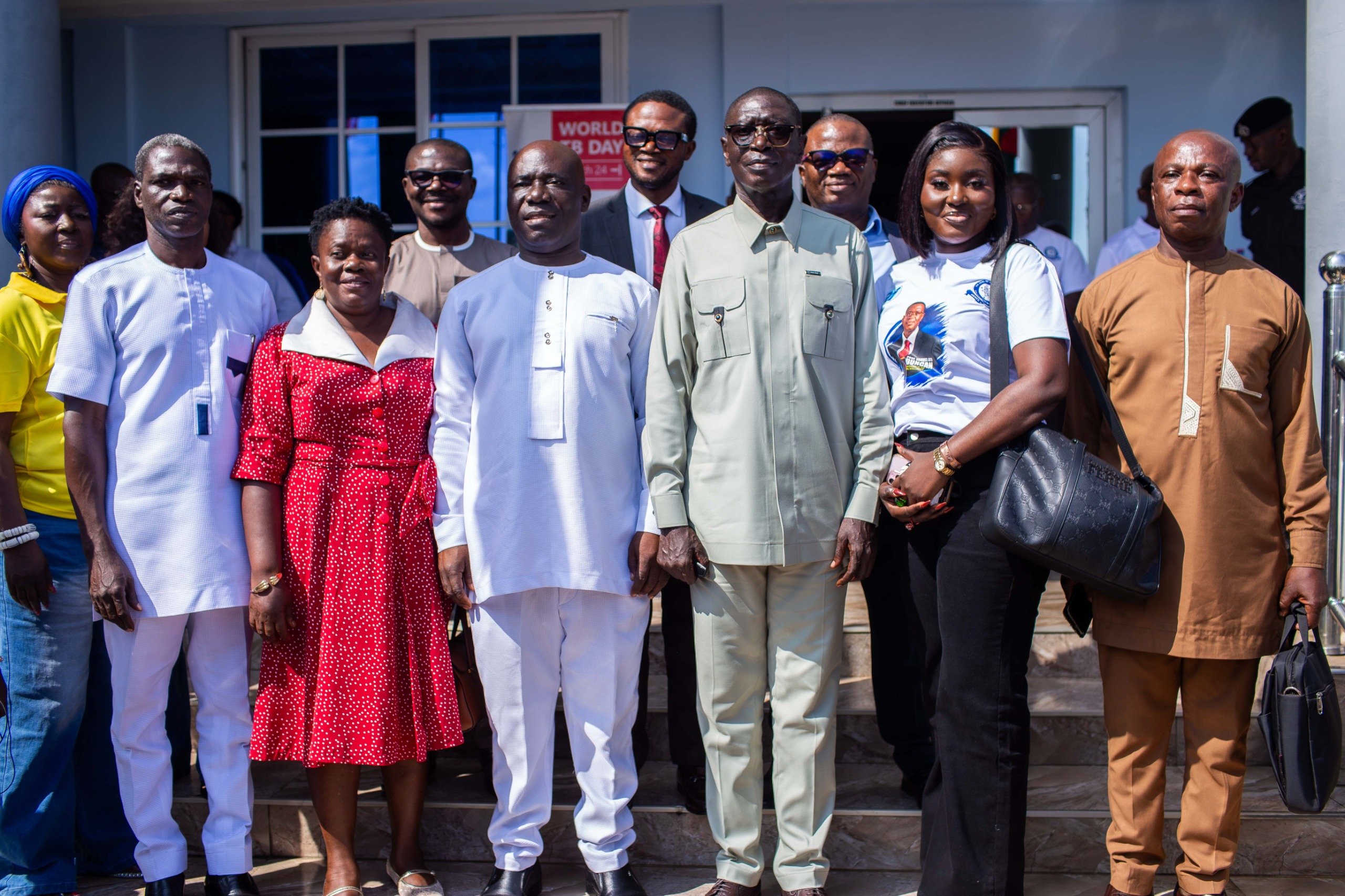
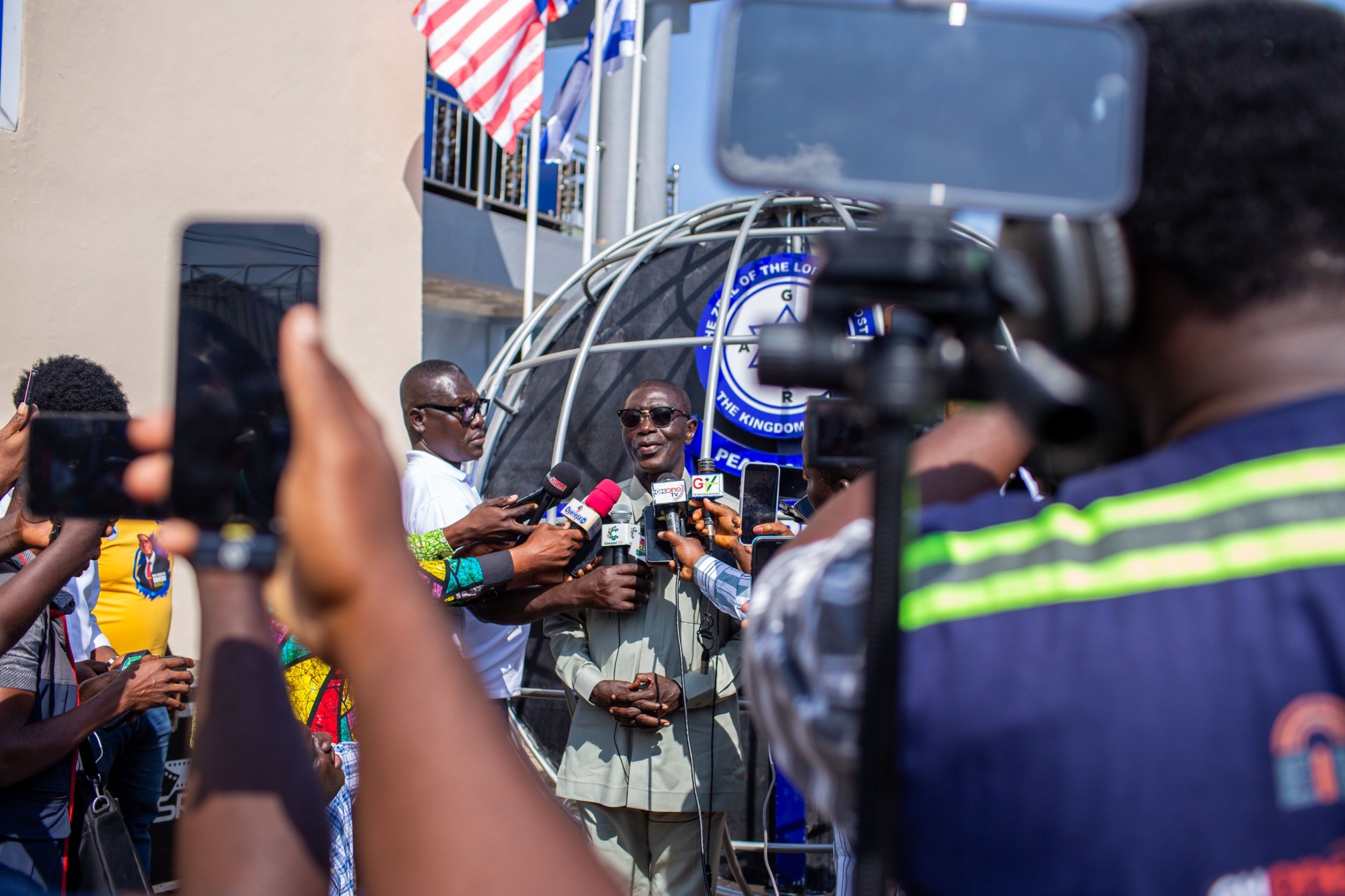
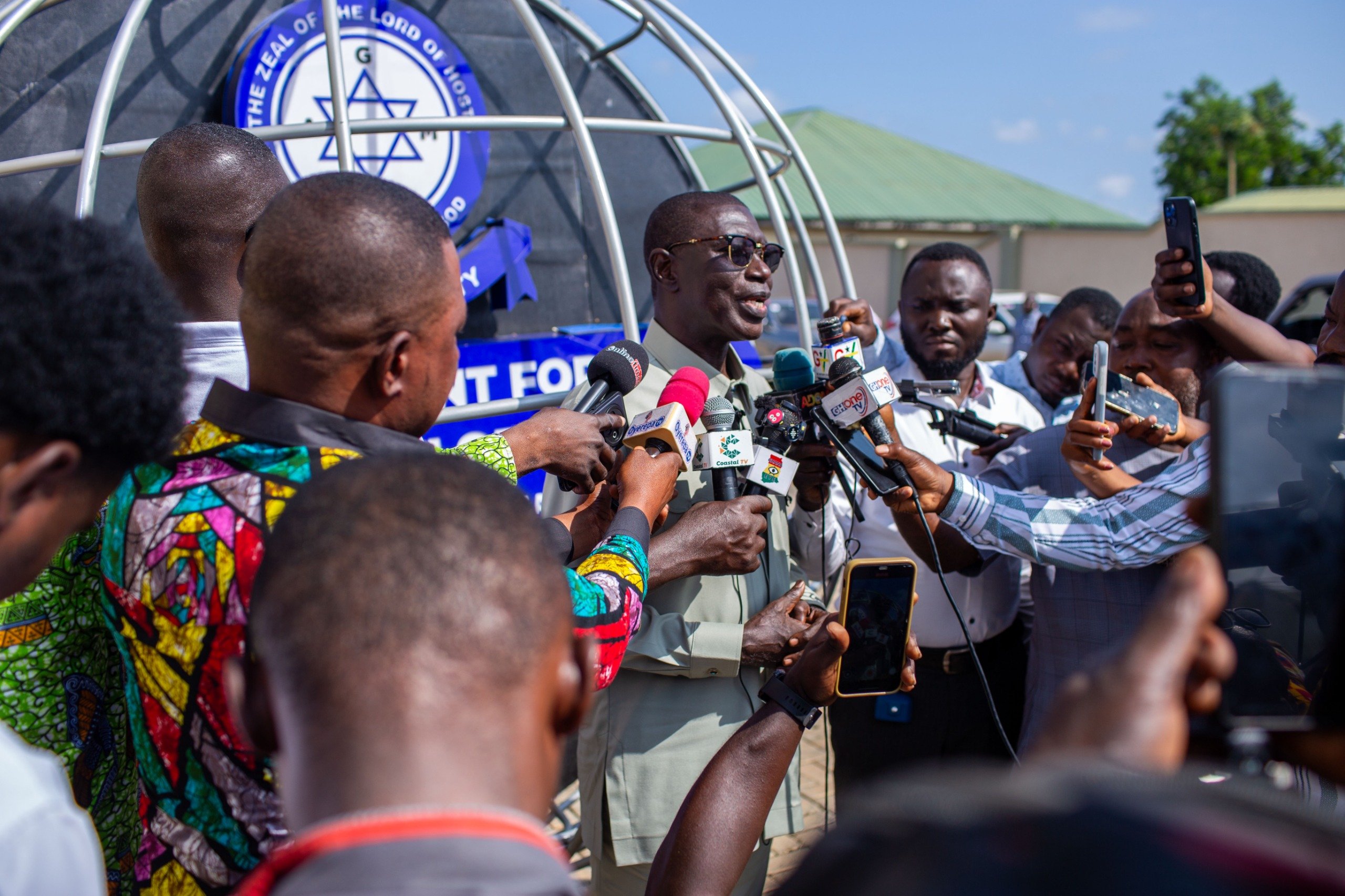
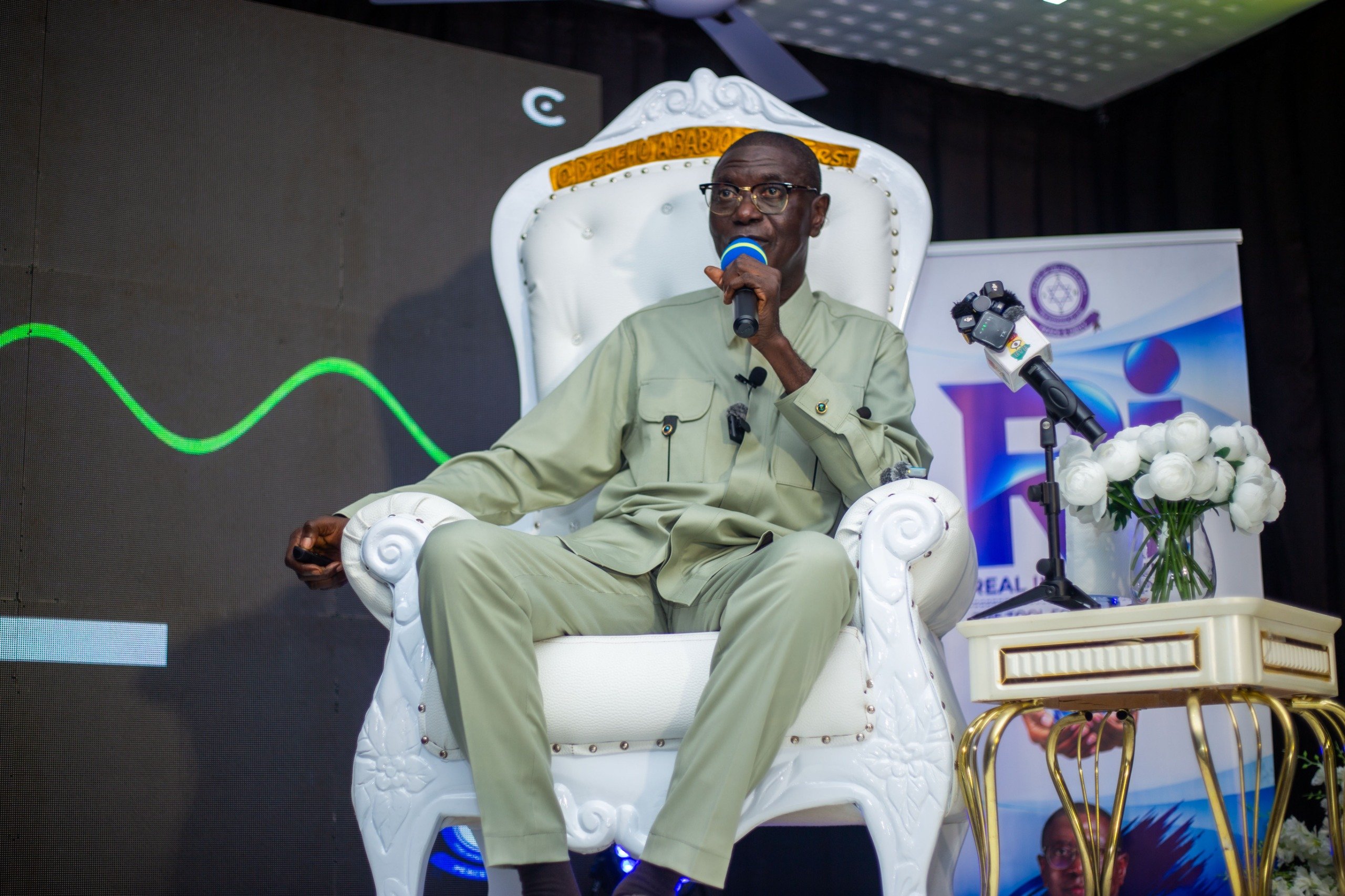
Unveiling his intervention, The REAL INTELLIGENCE at a press engagement at the Duncan Hall of the COA Research and manufacturing Limited Company at Wusorkrom in the Abura Asebu Kwamankese District of the Central Region on Wednesday 15th September, 2026, the Venerable Ato Duncan noted that Artificial Intelligence is just a photocopy of the real intelligence.
His proposition is provocative. He maintains that Artificial Intelligence is not the beginning of intelligence but rather a product of something deeper. “Artificial Intelligence exists because there is the Real Intelligence,” Prof. Duncan says, “stressing, any other intelligence is just a shadow of the Real Intelligence.”
For Prof. Duncan, that “Real Intelligence” is the intelligence behind creation itself, thus, the creative energy that brought the universe and humanity into existence.
Prof. Duncan’s argument did not emerge from the current excitement surrounding ChatGPT, robotics or generative AI. His intellectual and spiritual journey stretches back to 1988, when he began a prolonged search for what he describes as the knowledge underlying creation and the purpose of human existence. Prayer, fasting and meditation became central to that search.
Over the years, the pursuit developed into a broader philosophy around human consciousness and the untapped potential of the individual. It eventually gave rise to the Center of Awareness Global Peace Mission, an organisation he established with a stated focus on global peace, human development and the search for knowledge. He has also built a career in Ghana’s research, manufacturing and traditional medicine sectors through COA Research and Manufacturing Limited.
But behind the businesses and institutions is an enduring question that Prof. Duncan has continued to pursue for decades. What is man capable of becoming? It is this question that now informs his intervention in the global AI debate.
Prof Duncan’s concept of Real Intelligence challenges the conventional understanding of intelligence as the ability to process information, solve problems or perform complex calculations.
For him, intelligence is inseparable from consciousness. He argues that humanity possesses a creative capacity that is rarely understood or properly developed. The problem, in his view, is that people have become increasingly focused on their limitations while failing to recognise and nurture the deeper potential within themselves.
That philosophy places the human being at the centre of the intelligence debate. The argument is particularly striking at a time when the world is investing billions of dollars in AI research and infrastructure. Machines can process information. They can recognise patterns. They can generate content. They can perform tasks that once required human intervention.
But Prof. Duncan’s question is whether computation should automatically be equated with consciousness. For him, it should not. The distinction between Artificial Intelligence and what he calls Real Intelligence therefore goes beyond technology. It is, in his view, a question about the nature of existence and the human capacity to understand itself.
Prof. Duncan is particularly concerned about what he describes as humanity’s increasing dependence on external or technological intelligence while neglecting the development of the human consciousness. That concern gives his message an unusual dimension.
While much of the global AI debate focuses on regulating algorithms, protecting jobs, combating misinformation and preventing autonomous systems from causing harm, Prof. Duncan is directing attention inward. His proposition is that no amount of technological advancement can compensate for a failure to develop the human being who designs, controls and ultimately decides how that technology is used.
Prof. Duncan’s critics may challenge the scientific basis of some of his claims, particularly his assertions about the nature of consciousness and the intelligence behind creation. It is for this reason that he posits that his intervention touches on philosophy, science, spirituality and religion. His position has been that since scientists continue to boasts of their discoveries, humanity ought to be reminded that there is a Creator behind what they claim to have discovered. He maintains that before any scientist could boast of discovering the force of gravity, it must be established that the greatest scientist is the one who created gravity itself.
For Prof. Duncan, however, the Real Intelligence project is ultimately not about winning an intellectual argument with Artificial Intelligence. It is about peace. He opined that despite the claims about advancement in technology and its associated Artificial Intelligence, humanity is yet to find solutions to natural phenomena such as floods, hurricanes, tornadoes, earthquakes and pandemics. ‘’There currently exist diseases that have no known cure. Our advancement in technology should help provide permanent solutions to these diseases. Failure to achieve same is an indication that we are not using the right approach,’’ he stated.
His decades of work through the Center of Awareness Global Peace Mission have been built around the conviction that sustainable peace must begin with the individual. That philosophy now feeds directly into his vision for Real Intelligence. Prof. Duncan believes that if humanity can develop a deeper understanding of consciousness and its own creative potential, that knowledge could be deployed as a tool for resolving conflicts, improving human relationships and building a more peaceful world.
Prof. Duncan’s intervention places a Ghanaian voice into what has largely been a conversation dominated by technology giants, computer scientists and policymakers in the world’s major technology centres. His message is essentially a challenge to the direction of the conversation.
The world, he argues, should not become so fascinated with creating artificial intelligence that it forgets to understand the intelligence that created the universe. That is the philosophical territory on which Prof. Duncan’s Real Intelligence project stands.
And for a man whose search for that answer began in 1988, the unveiling of Real Intelligence represents, in his own telling, not the conclusion of the journey but the moment he knows the rest of the world should begin paying attention.
His appeal to the President of Ghana, and indeed leadership across the globe to join hands with his organization as he moves this intervention from a philosophy to a pragmatic stage should be welcome by all.
Also, his caution of a global internet shutdown should be properly investigated and where possible, work with him to identify workable solutions before the world is thrown into a catastrophe. To Prof Duncan, the unveiling of the Real Intelligence is a shadow of greater things to come, hence the need for tech giants and scientists to work with him to identify alternatives to the impending frenzy associated with the development of superintelligent AI systems.
BY D. DELADEM KISSEIH